

Your internal team needs more nearshore development capacity.
Development
Nearshore software development services for US companies that need to move faster.
NetForemost builds and maintains software across frontend, backend, full-stack, mobile, cloud, API and integration work, with engineers in US time zones, shaped around your goals, technology stack, scope, QA needs and delivery process.
Software development workflowActive
- Discovery
- 02Technical Review
- 03Architecture
- 04Development
- 05Integration
- 06QA
- 07Release Support
- Engineers in
- Countries across Latin America
- Working hours
- Yours
- Holidays
- US calendar
- The team
- Engineers, QA, PM and design
On this page12 sections
Why teams come to us
What this service helps you solve
You need to build a new feature, product, MVP, platform, or internal tool.
Your current software is difficult to maintain, extend, integrate, or scale.
You need frontend, backend, mobile, cloud, API, integration, or modernization expertise.
Development is moving too slowly, priorities are getting delayed, or your current team is overloaded.
AI tools increased development output, but review, QA, and release confidence did not keep up.
Nearshore, offshore, or in-house
Cost is the reason most teams start looking at nearshore, and it is the least interesting difference once you are comparing seriously. These are the differences that decide whether a distributed team actually works. What it costs depends on the roles and the length of the engagement, so we work that out with you on a call rather than publishing a number that would be wrong for most of the people reading this.
| Nearshore with NetForemost | Offshore | US in-house | |
|---|---|---|---|
| Time zone gap from US Eastern | Up to 2 hours | Typically 9 to 12 hours | None |
| Working hours | Set to your schedule | Partial overlap, or a permanent night shift on one side | Yours |
| Daily collaboration | Same working day, live | Handoff based, answers arrive tomorrow | Same working day, live |
| Holiday calendar | United States | Local, and often unannounced | United States |
| Roles beyond engineers | QA, project management and design in the same team | Varies, frequently engineers only | Whatever you hire and keep |
| Time to add a role | Days to weeks | Weeks | Weeks to months |
Disciplines
The team you get
Nearshore custom software development is not one skill, it is a mix. You do not hire a discipline, you hire the one your gap needs: during discovery we size frontend, backend, mobile, QA and project management against the work in front of you, whether that is a single embedded engineer or a full cross-functional team. These are the disciplines we staff, each with a page of its own.
Backend
Nearshore backend development covers the APIs, data layers and business logic that carry the load when traffic grows. .NET, Node.js, Python, Java and Go, against both SQL and NoSQL stores.
Frontend
Interfaces judged on a slow connection and an old device, not on the machine they were designed on. React, Next.js, Angular and Vue.
Mobile
Nearshore app development, native for iOS and Android or cross-platform in React Native and Flutter, chosen on your performance and offline requirements rather than on what is quicker for us to staff.
QA and testing
Manual and automated testing, regression and performance suites, embedded in your team or as a managed function that owns the release gate.
DevOps
CI/CD pipelines, infrastructure as code and monitoring, matched to how your team already ships rather than to a clean slate.
Full-stack
One engineer owning a feature from interface to database, for when a handoff between two specialists would cost more than it saves.
Deliverables
What’s included
The exact list is set during discovery, because a team sized to your gap is not the same as a team sized to a template. These are the things that come as standard rather than arriving later as a quoted extra.
Two entries here are worth pausing on, because they are where outsourced delivery usually leaks.
The first is that QA, project management and design sit inside the team rather than on your side of the line. A vendor that ships you developers alone has not removed the coordination work, it has moved it to you, and that is usually where the saving quietly goes. It is also the cheapest thing for a proposal to leave out, because the absence only shows up once the work is running.
The second is the statement of work. It comes after discovery and before billing, in that order, so the scope you sign is the one we agreed rather than the one anybody guessed. That ordering also makes the shape of the engagement a decision instead of a default: an ongoing team and a fixed scope are different contracts with different failure modes, and discovery is where we work out which one the project in front of you actually wants.
None of this is unusual to promise. It is written down because it is checkable. Ask any vendor for the statement of work before the first invoice, and ask which people on the proposed team are not engineers.
Frontend developmentBackend developmentFull-stack developmentMobile developmentAPI development and third-party integrationsCloud and platform development supportDatabase and application developmentLegacy system modernization supportTechnical documentationCollaboration with QA, design, and project managementNearshore development supportCustom software developmentSoftware maintenance and extensionRelease support and delivery visibility
The hours your team actually works
Our engineers work across Latin American time zones, close enough to the United States that a working day is shared rather than handed off.
The commitment is simple, and it is the part worth holding us to. Our teams work your hours rather than ours. We set the working day to your time zone and your schedule, and when a release or an incident needs someone outside it, we cover that too.
That is a materially different arrangement from a partner ten or twelve hours away. There, working your hours means somebody is on a permanent night shift. That is a retention problem before it is anything else, and it becomes your delivery problem the moment the person who knew your codebase leaves.
Our teams also follow the United States holiday calendar rather than local ones. An unannounced local holiday is a common cause of a week where the release does not move and nobody warned you that it would not.
How to evaluate a nearshore partner
Most nearshore vendor pages, this one's competitors included, are assembled out of adjectives. These are the questions we would put to a partner, and they are worth asking whether or not that partner turns out to be us.
- Ask for the overlap in hours, not in adjectives. Which country, what local working hours, and how many of your own working hours that actually covers.
- Ask whose holiday calendar the team follows. If the answer is the local one, ask for the calendar in writing before you plan a release around it.
- Ask who is on the team besides engineers. A team with no QA and no project manager hands both jobs back to you, and that is usually where the savings quietly went.
- Ask to see work rather than logos. A named client with a measurable outcome is a different kind of claim from a wall of brand marks.
- Ask what happens when you want to leave. A partner who cannot describe the handover either has not thought about it or would prefer you did not.
We would rather you asked us all five than took our word for any of them.
And if you are still deciding between nearshore and offshore rather than between two nearshore vendors, our nearshore versus offshore guide walks the same questions at more length and puts cost benchmarks beside them.
Named clients, measured outcomes
All case studies Portfolio
Core API - Stability, Test Automation & Continous Integration
Enhancing Kafka implementation and test automation on CI pipelines to boost reliability and delivery velocity
QA & releaseEngineering
 Portfolio
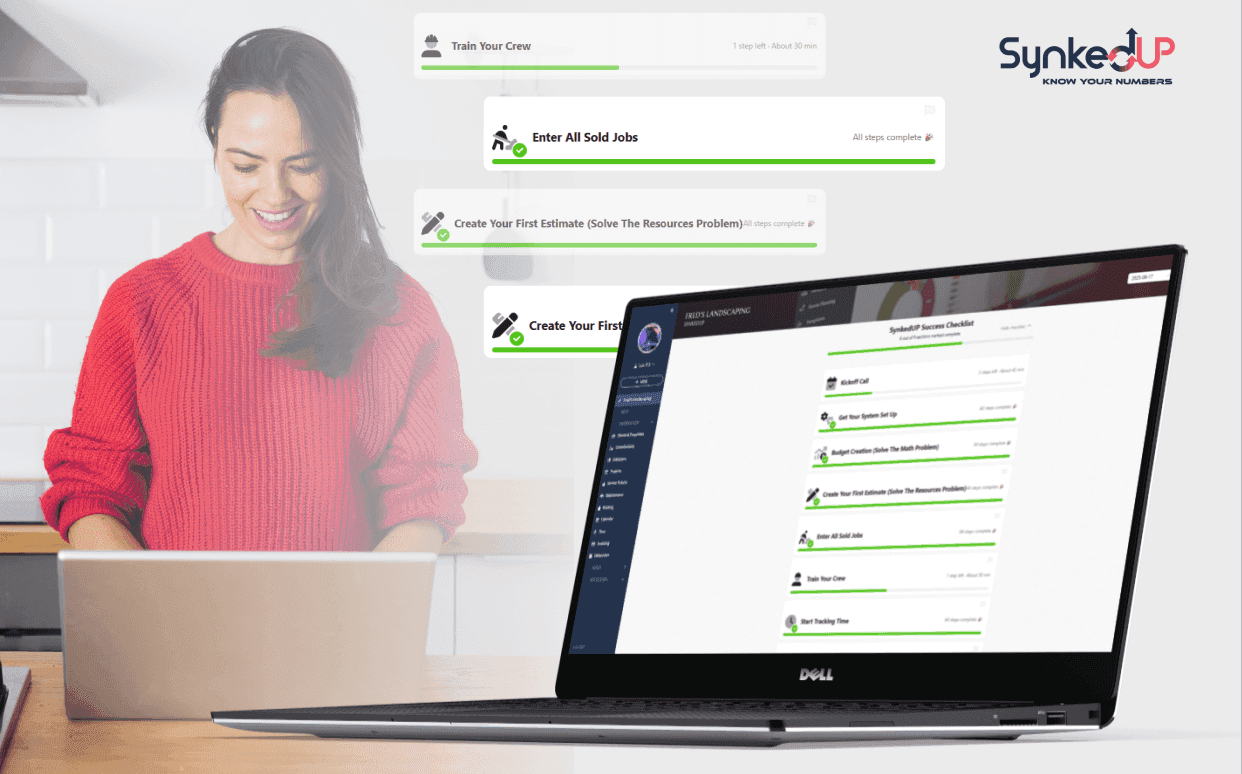
From Monolith to Momentum - How NetForemost Accelerated SynkedUP’s Platform Evolution
SynkedUP is transforming landscaping jobs management through a robust .NET, Angular, React Native and React platform, backed by a resilient team culture, agile execution, and almost daily deployments.
Engineering
 Portfolio
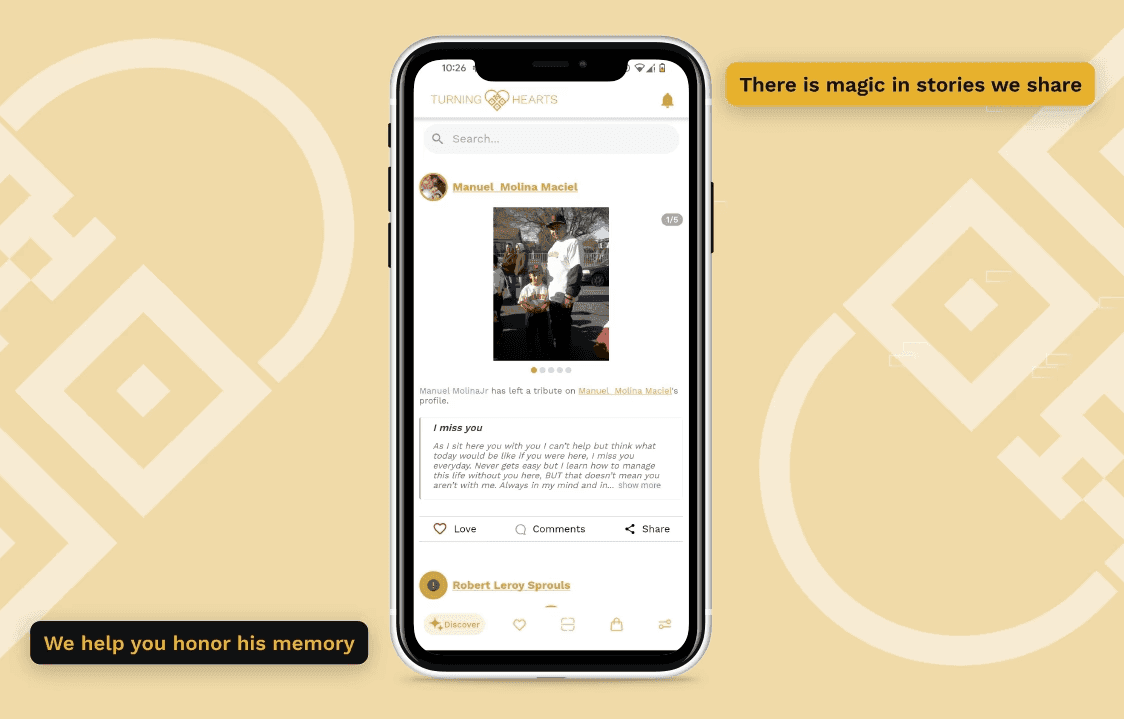
From Prototype to 1.3 Million Users
Turning Hearts is a scalable platform with a discovery feed, Shopify, and mobile app, achieving 1.3M monthly requests in one year.
Product designQA & releaseAI-native delivery
How we engage: three nearshore models
Process
Discovery to release, in six steps
- 01
Discovery
We start with discovery to understand your product goals, technology stack, current system, delivery process, and technical constraints.
- 02
Technical review
We review the required features, integrations, risks, dependencies, QA needs, and delivery expectations.
- 03
Team recommendation
We recommend the right development roles, nearshore support model, and delivery approach based on the scope, stack, and team structure.
- 04
Planning
We plan the work into clear milestones, tasks, acceptance criteria, or sprint goals.
- 05
Development
Our developers build, integrate, document, and collaborate with QA, product design, and project management.
- 06
Release support
We support release readiness, fixes, improvements, delivery visibility, and ongoing iteration as needed.
Every engagement runs these six steps in this order, and we publish them because the order is the commitment. Discovery comes before the statement of work, never after it, so the scope you sign is the one we agreed rather than the one we guessed. Technical review and team recommendation both land before anyone writes code, which is what stops a team being staffed to a shape that does not fit the work in front of it. None of these steps is unusual on its own. Publishing them, and being held to them, is the part most vendors leave out.
Roles
Roles that may support this service
Frontend DeveloperBackend DeveloperFull-Stack DeveloperMobile DeveloperDevOps EngineerCloud EngineerDatabase DeveloperQA EngineerQA Automation EngineerProject ManagerTech LeadProduct Designer
Final roles are recommended after discovery.Discovery before SOW
Discovery comes before every reliable statement of work.
Before we recommend roles, timelines, or pricing, we need to understand your goals, technology stack, product situation, scope, risks, and constraints. Discovery helps us align expectations and create a realistic statement of work.
What discovery documents
- Business goals
- Product goals
- Technology stack
- Current situation
- Required roles
- Timeline expectations
- Budget expectations
- Risks and unknowns
- Success criteria
FAQ
Questions about this service
We can support web applications, SaaS platforms, mobile apps, internal tools, dashboards, APIs, integrations, ecommerce experiences, cloud applications, and modernization projects. We can also help extend and maintain existing software when teams need additional development capacity.
Yes. Our developers can integrate with your internal team, collaborate with product and technical leaders, or work as part of a NetForemost-managed nearshore delivery team.
Yes. Software development can support ongoing product roadmaps or fixed-scope projects with defined deliverables, timelines, and statements of work.
Yes. We can combine software development with QA testing, project management, product design, and delivery visibility so the work is better coordinated and easier to track.
Yes. NetForemost can provide nearshore software development support for teams that need additional development capacity, stronger delivery visibility, QA collaboration, and better alignment across product, engineering, and leadership.
Yes. NetForemost can support custom software development across web, mobile, SaaS, internal tools, APIs, integrations, cloud applications, modernization, and ongoing product development.
All of it, because we set the working day to yours rather than to ours. Our engineers work from countries across Latin America, which is close enough to United States time zones that matching your hours does not put anyone on a permanent night shift. When a release or an incident needs cover outside those hours, we cover it. This is the question worth putting to any nearshore vendor in hours rather than in adjectives, because a partner ten or twelve hours away cannot answer it the same way.
Geography changes how the work feels day to day rather than what gets built. With an offshore team the model is handoff based: you write up a question and read the answer tomorrow. Nearshore means the same working day, so a blocked task gets unblocked in the same hours it appeared. The second difference is the holiday calendar. Our teams follow the United States calendar rather than local ones, which removes the unannounced local holiday that stalls a release week.
Days to weeks for most roles, against weeks to months for an in-house hire. The variable is not recruiting, it is discovery: we want your goals, stack, delivery constraints and QA needs clear before anyone writes code, because starting without them is what produces the rework that erases the time saved. A discovery call is where that scoping starts.