

How we restored card subscription billing and added failed-payment alerts
A subscription platform went more than two years without collecting card payments, because nothing flagged the failure. Here is how we restored billing and added alerts that catch it in minutes.
 Case study
On this page7 sections
We restored card subscription billing for a medical Spanish certification platform for US healthcare professionals, after a payment-account permission change had stopped the application from charging cards for more than two years.
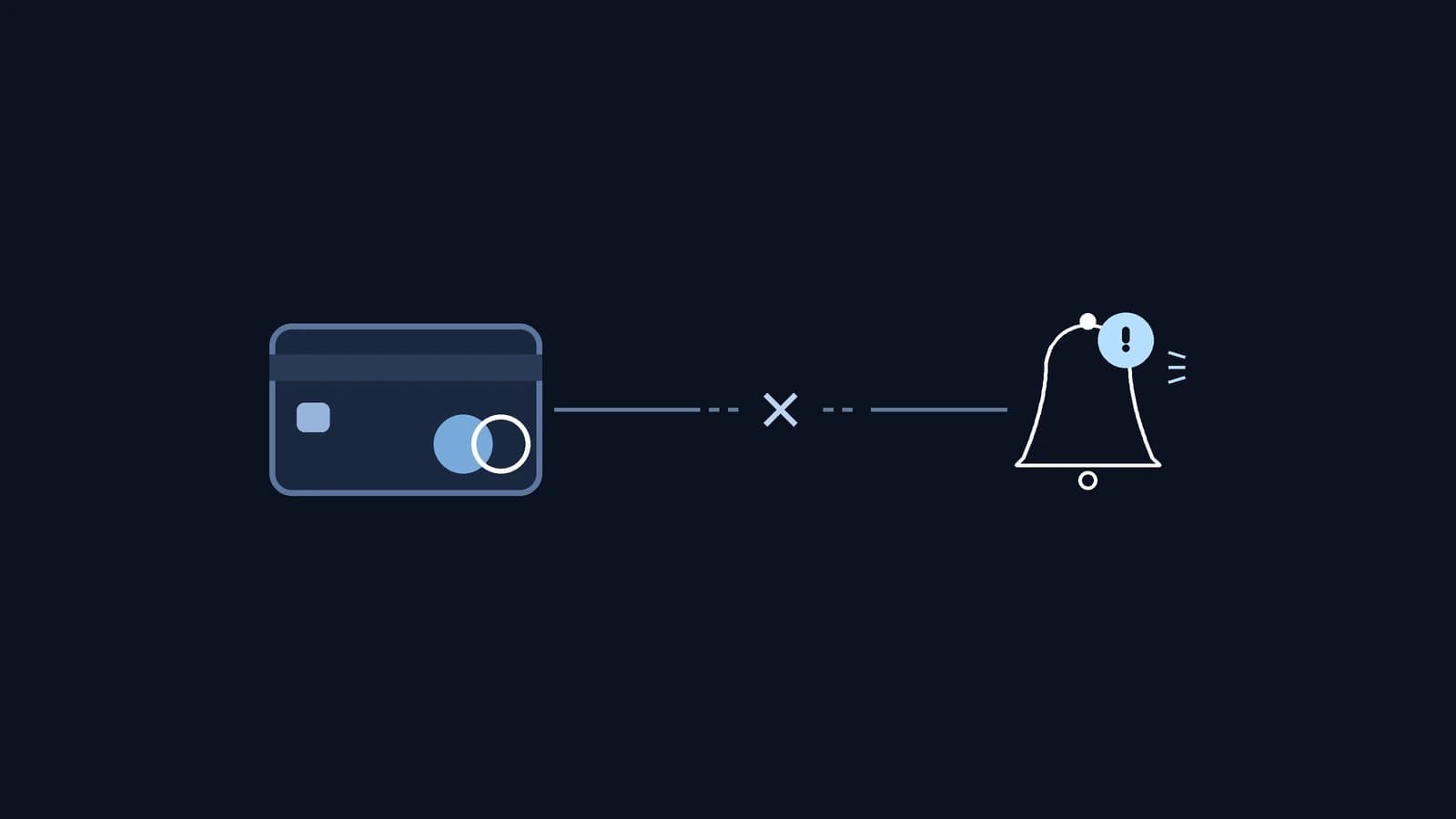
The outage itself was not the hardest part. The harder problem was that nothing in the system flagged it. We traced the root cause in the server logs and the PayPal integration, verified a live transaction in production, and added automated alerts that notify both the technical team and the client within five minutes of any failed payment.
For a subscription product, the payment path is a critical system. It deserves the same monitoring as anything else the business depends on. That is the gap this work closed.
What stopped working
The platform sells monthly subscriptions, charged to cards through PayPal. For more than two years, no card charge completed. The money did not arrive, and no one knew, because there was no alert for failed payments. The system had no way to signal that its most important transaction had stopped.
Finding the root cause
We started with the evidence: the server logs and the PayPal integration. The cause was not a typical code defect. A change to the access credentials on the payments account had left the application without permission to charge. Reading the logs against the integration's behavior is what surfaced it.
Restoring and verifying card billing
Restoring the permission was the first step. Verifying it was the one that mattered. Rather than assume the fix held, we ran a real transaction in production and confirmed it completed end to end before treating billing as restored.
Adding failed-payment alerts
A repair that leaves the original blind spot in place is not finished. We added automated alerting on the payment path: when a charge fails, the technical team and the client both receive an email within five minutes. What had gone unnoticed for years is now a five-minute notification. The detection, not the one-time repair, is what protects the payment path going forward.
Hardening the payment path
With billing restored and monitored, we closed the adjacent risks the incident exposed. The server now validates the amount of every charge before it is processed. We removed a payment entry point that was no longer in use. And we preventively fixed two faults that could reject payments from users whose names contain accents or special characters. On a Spanish-language platform that fix is not an edge case: accented names are common among its users, so a latent bug there maps directly onto the core audience.
The result
After more than two years, the platform charges card subscriptions again, confirmed by a live production transaction. A failure on that path is now detected in minutes rather than going unnoticed.
The takeaway
Monitoring uptime is not the same as monitoring whether the business's critical transactions are succeeding. For a subscription product, the payment path needs explicit failure detection, not the assumption that billing is working. The difference between a two-year loss and a five-minute fix is not luck. It is monitoring.
Keep reading
All resources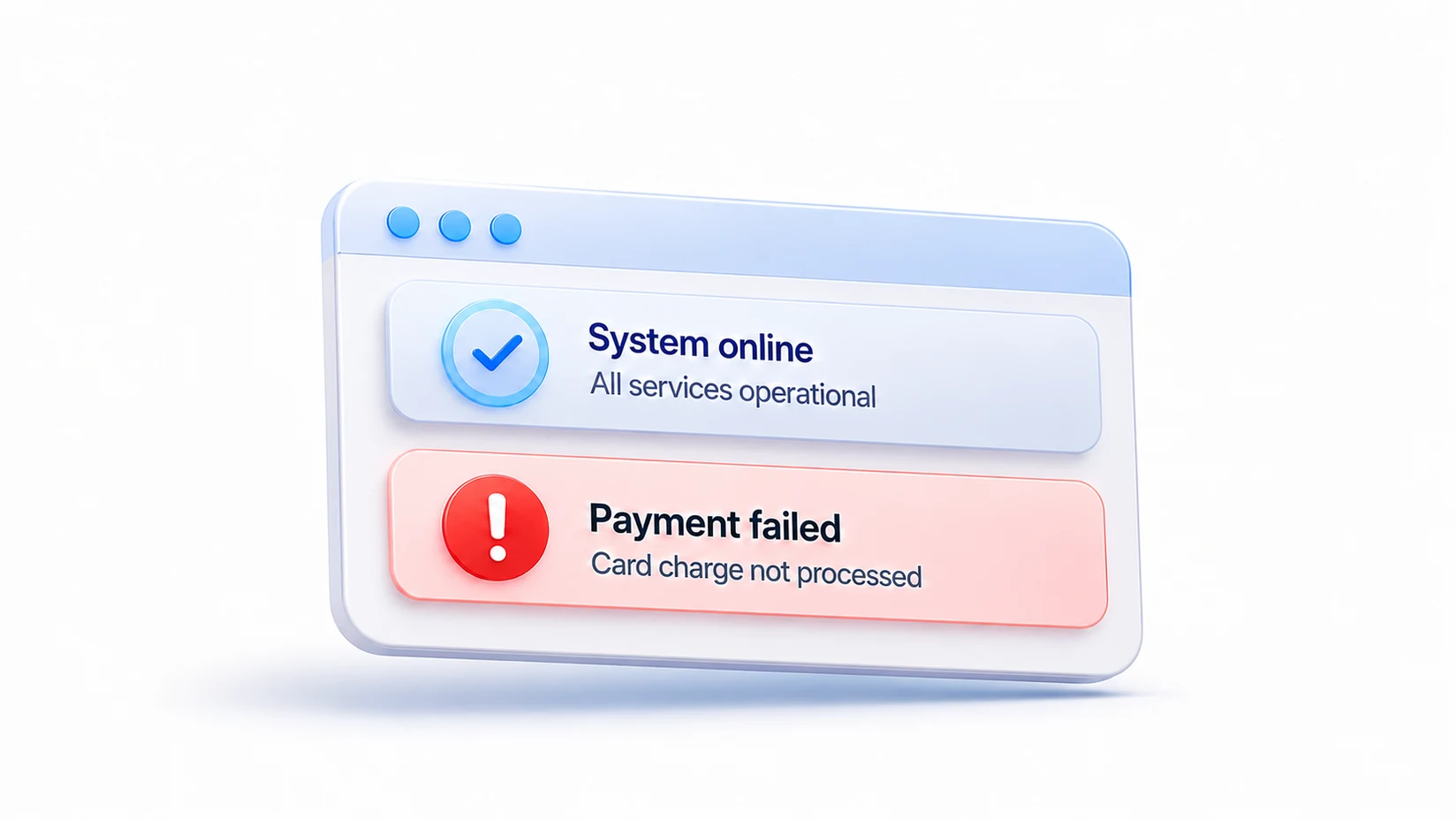 Case study
From silent payment failures to five-minute alerts
A subscription platform's card billing failed silently for about two years. The real work was making a critical revenue operation visible in minutes, not just restoring it.
 Case study
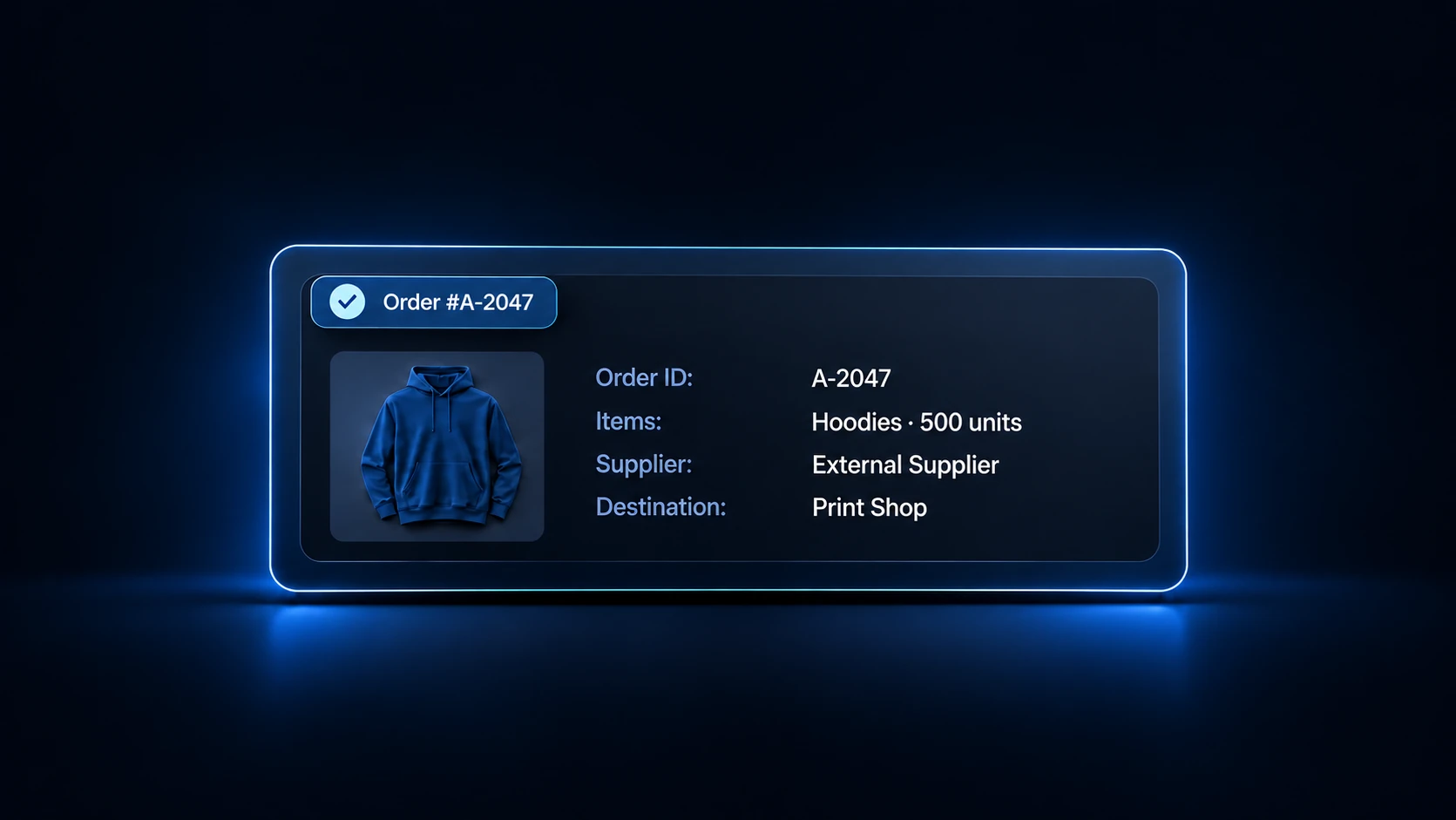
When order automation meets a supplier's limits: building reliability into the integration
A custom-apparel order platform where the real reliability work lived in the supplier integration, not the interface: handling the supplier's limits, failed retries, and order integrity.
 Articles
Data engineering services: when better reporting needs a better data foundation
A buyer's guide to telling a reporting problem from a data foundation problem: the signs, what a reliable foundation includes, when to build or rebuild, and what to ask before you hire.