

From silent payment failures to five-minute alerts
A subscription platform's card billing failed silently for about two years. The real work was making a critical revenue operation visible in minutes, not just restoring it.
 Case study
On this page4 sections
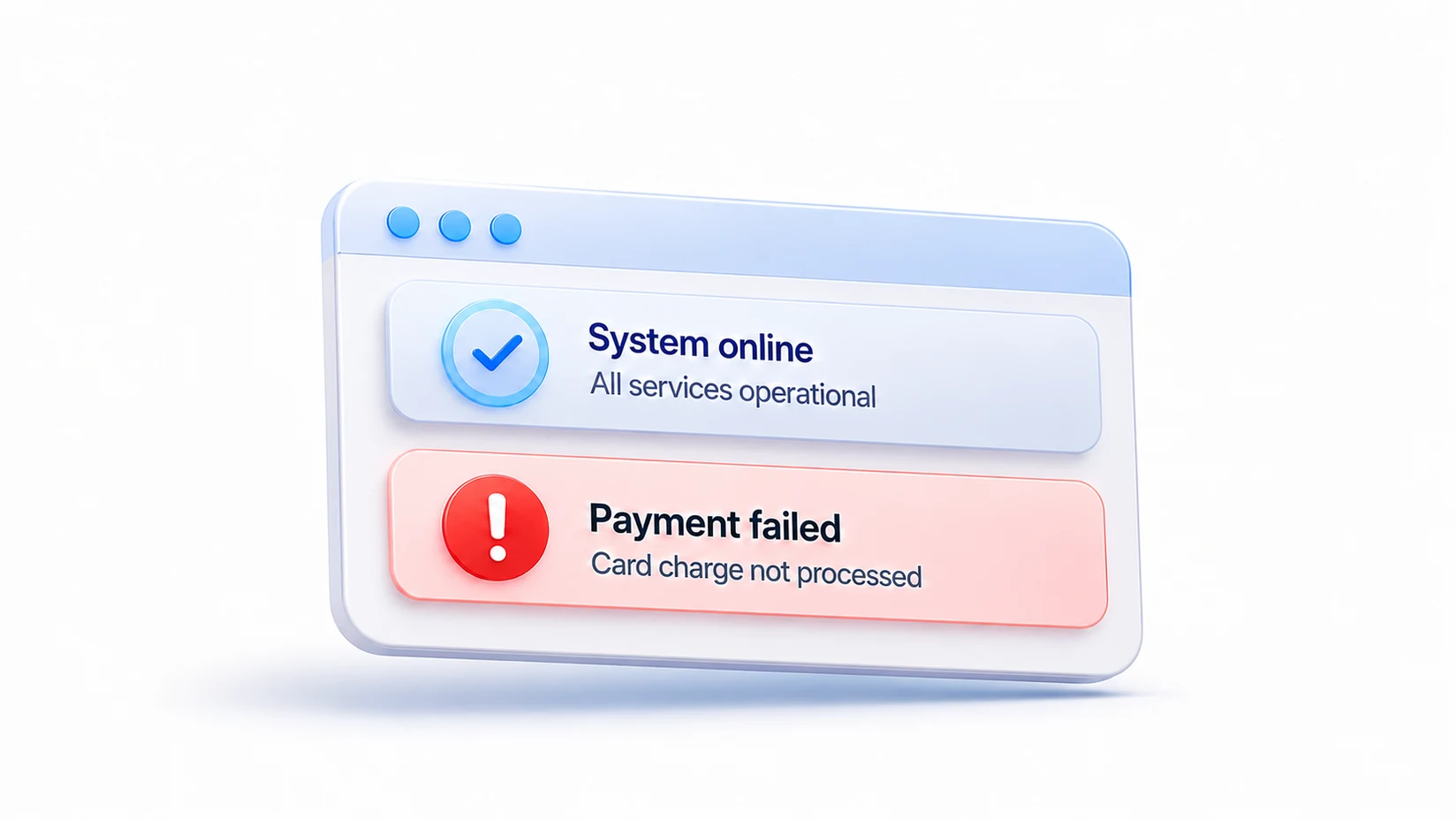
An application can stay online while the operation that collects its revenue has quietly stopped working. That was the situation for a subscription platform serving healthcare professionals in the US: its monthly card charges through PayPal were failing, and no alert told anyone.
The charges failed for about two years before the gap surfaced, because nothing was watching for failed payments. Fixing it meant more than restoring the charges. It meant making sure a silent failure on the revenue path becomes visible in minutes, not years.
What went wrong
The platform offers medical-Spanish certification and bills monthly subscriptions by card through PayPal. At some point, a permissions change on the payments account left the application without permission to charge. Nothing in the product broke visibly. Subscriptions were still offered, pages still loaded, the app was still up, but the one operation that turned a subscription into received revenue had stopped, with no signal that anything was wrong.
That is the heart of this case: application uptime is not the same as business operations working. A system can stay fully accessible while a critical function, like collecting payment, silently fails.
How the issue was resolved
The team traced the cause by reviewing the server logs alongside the PayPal integration, which pointed to the permissions change on the payments account. They restored card billing and verified it with a real transaction in production, not only in a test environment, so the fix was proven against the live system.
Beyond the immediate fix
Restoring the charges addressed the symptom. The more valuable work was making the revenue path observable and more robust, so a failure like this surfaces quickly next time.
- Automatic alerts. When a payment fails, both the technical team and the client receive an email within five minutes. The people who need to act find out from an alert, not from a revenue gap.
- Server-side validation. The server now validates the amount of each charge, and an unused payment option was removed.
- Preventive fixes. The investigation also surfaced two bugs that could reject payments from users whose names contain accents or special characters, and those were fixed proactively.
The point is that the investigation did not stop at the immediate cause. It revealed other weaknesses in the payment flow and closed them, which is the difference between resolving a ticket and strengthening a production system.
What this means for subscription businesses
For a subscription business, payment reliability is not just an integration detail. It is an operational requirement, because it sits on the path that turns customers into revenue.
A system can stay accessible while a critical business function stops working, and telling the difference takes more than restoring a connection. It takes validating the whole payment flow, watching for failures, and making sure the right people are notified the moment something breaks. Most teams monitor uptime, errors, and performance; fewer can answer, at any moment, whether the operation that actually collects their money is working.
That is what turns a one-time fix into a more reliable production system, and it is the kind of problem an experienced engineering team can take on inside software that is already live.
Keep reading
All resources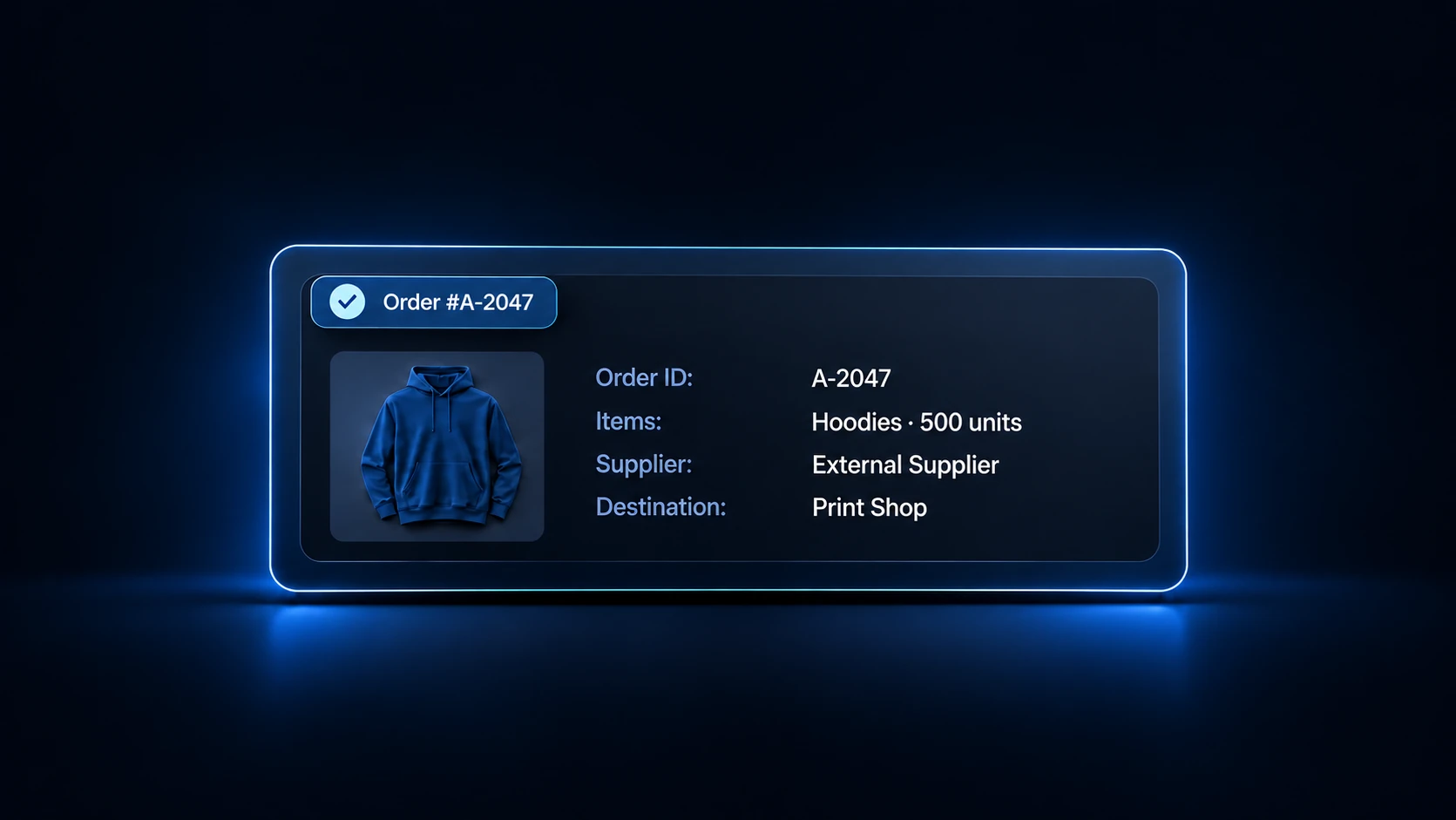 Case study
When order automation meets a supplier's limits: building reliability into the integration
A custom-apparel order platform where the real reliability work lived in the supplier integration, not the interface: handling the supplier's limits, failed retries, and order integrity.
 Articles
Data engineering services: when better reporting needs a better data foundation
A buyer's guide to telling a reporting problem from a data foundation problem: the signs, what a reliable foundation includes, when to build or rebuild, and what to ask before you hire.
 Case study
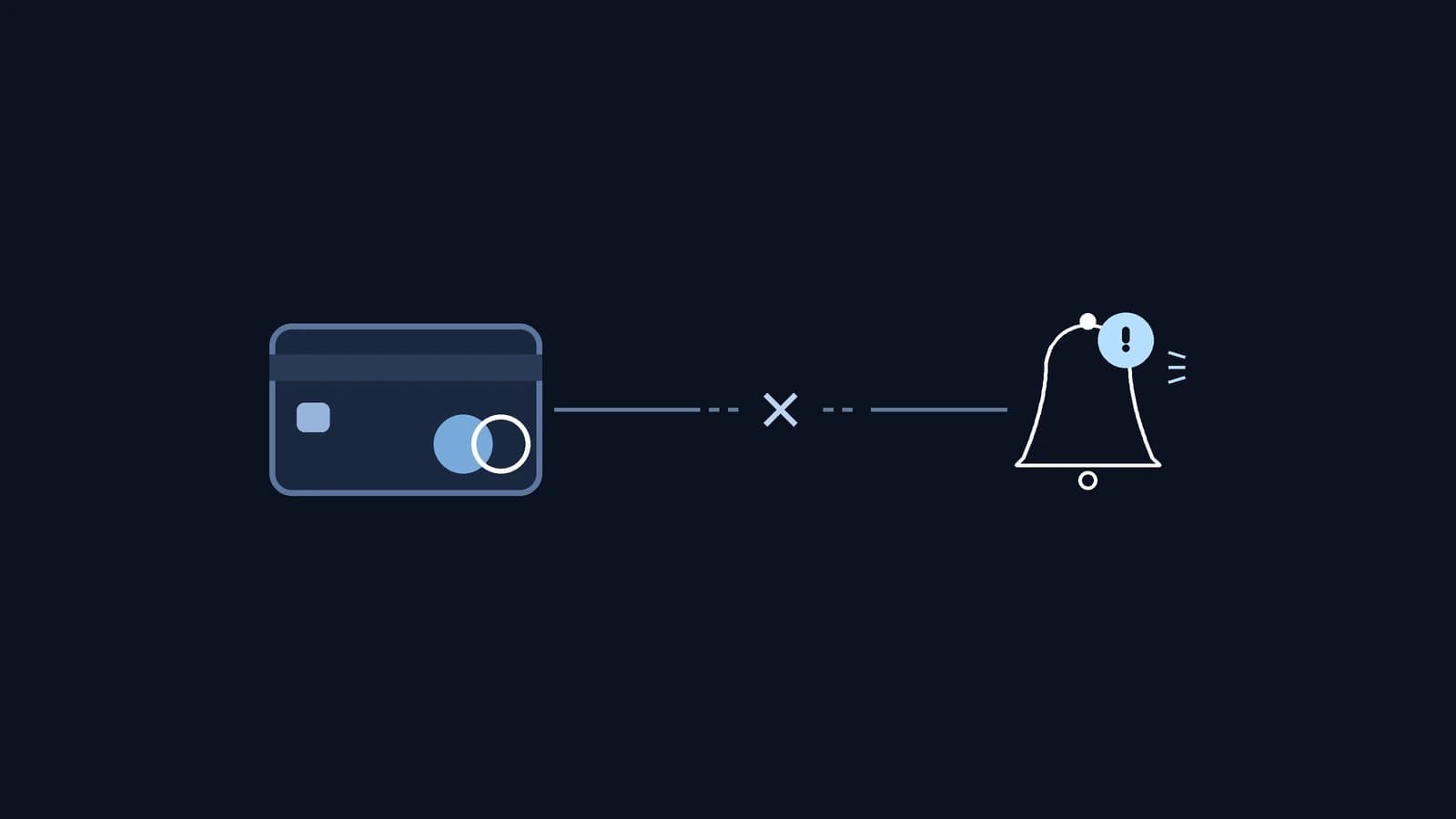
How we restored card subscription billing and added failed-payment alerts
A subscription platform went more than two years without collecting card payments, because nothing flagged the failure. Here is how we restored billing and added alerts that catch it in minutes.