

When order automation meets a supplier's limits: building reliability into the integration
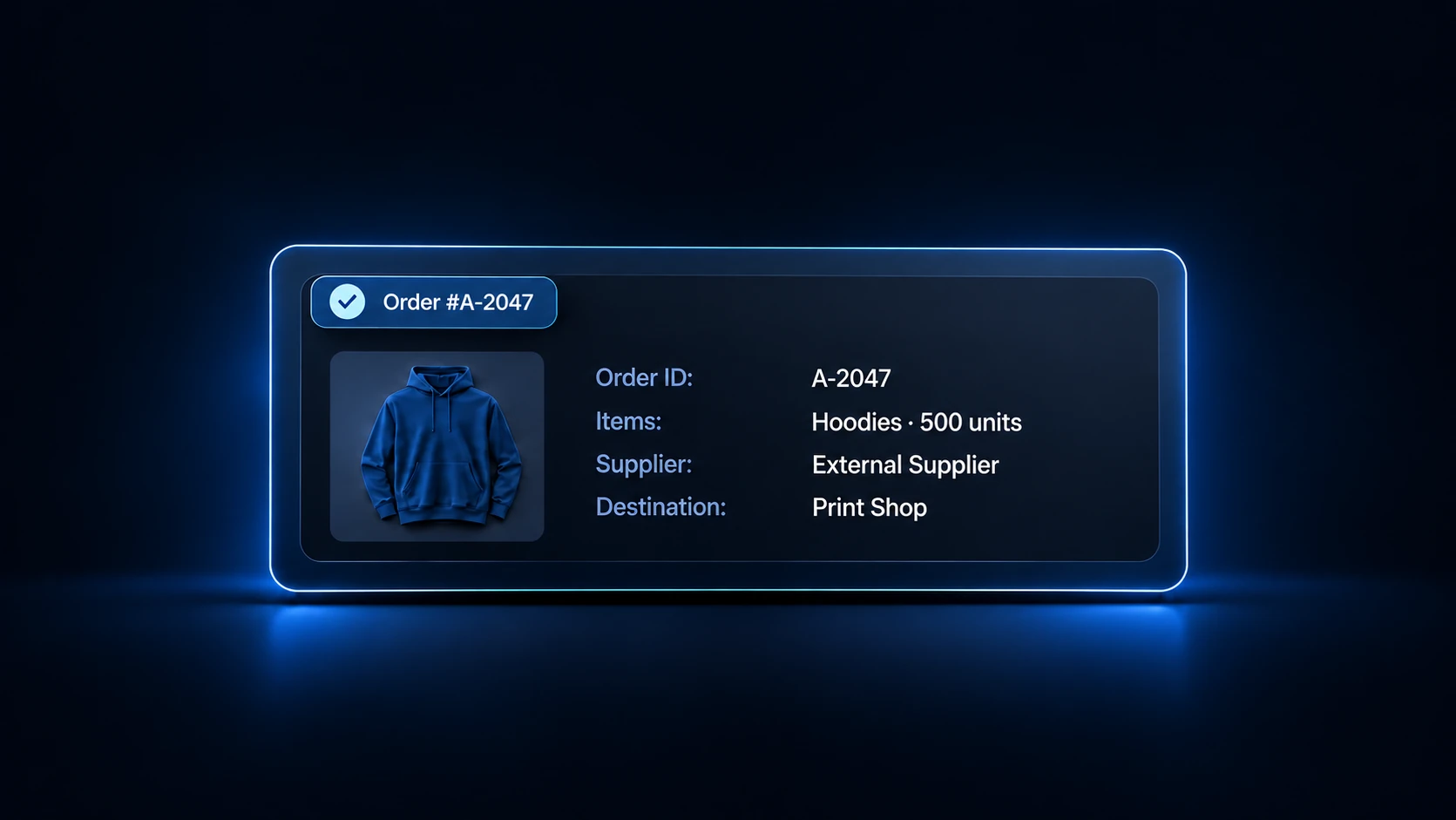
A custom-apparel order platform where the real reliability work lived in the supplier integration, not the interface: handling the supplier's limits, failed retries, and order integrity.
 Case study
On this page4 sections
Automating an order workflow is not enough on its own. A reliable system also has to handle the limits of the external supplier it depends on, survive failed requests and retries without duplicating orders, and keep every order traceable from entry to fulfillment. That is the harder half of the work, and it is where this project's most useful lesson came from.
A custom-apparel company runs a web platform where schools submit their orders: hoodies, shirts, and event wear branded with the school's logo and theme, often in bulk ahead of graduations, sports seasons, and holidays. Behind that platform, the operation depends on an external supplier that produces the blank garments before a print shop applies the designs.
The problem the client came to us with was coordination. Part of the process still ran on spreadsheets and manual steps, and the handoff to the supplier was not automated. The team could not follow an order quickly or clearly once it left their hands. With peak season approaching, higher order volumes, and a large number of items per order, that lack of visibility was becoming a real operational risk.
What the team built
We implemented a platform that centralized how orders are processed and followed, so the people doing this work had one place to submit an order, process it, and track it rather than reconstructing its status by hand. In practice, that meant a single place to enter and process each order; status tracking across the full path, from entry to arrival at the print shop; error capture that distinguishes a problem in the client's data from a problem on the supplier's side; a complete order history; and near-real-time monitoring updated on a short cycle.
The effect was less manual communication, clearer visibility over where each order stands, and a defined line between what the client is responsible for and what belongs to the supplier.
The unexpected part: the supplier's limits
The more instructive challenge did not come from the platform itself. It came from the integration with the external supplier. The supplier was not prepared for the volume and shape of these orders. With a high number of items per order, the integration ran into timeouts. Because the flow was synchronous, the order would be left pending without a clear record that it was still processing. When our service failed to capture the supplier's response, the order was retried, and some orders ended up duplicated, in a few cases registered up to three times.
For an order system, that is not a cosmetic bug. A duplicated order is real money and a manual cleanup: contacting the supplier, stopping the extra orders from going out, and cancelling them correctly.
Resolving it was a shared effort between the teams. The work centered on protecting the integrity of each order so that a retry could not create a duplicate, and on adjusting how an order already placed is identified and processed on the supplier's side so the flow matched how they actually operate. It also surfaced a real learning for the supplier, whose process had not been built for this kind of load.
The delivery lesson
The takeaway is not simply that an order process was automated. It is that a reliable automation has to account for the behavior of the systems it depends on. Centralizing orders solved the visibility problem the client first described. But the integration is what determined whether the system could be trusted: whether it handled the supplier's limits, recovered from failed requests without duplicating orders, and kept each order's identity and history intact when something went wrong. Building that in is the difference between a workflow that demos well and one a business can run its peak season on.
Which NetForemost pillar this shows
This case sits mainly in governance and development. The team delivered a complete solution end to end, from implementation through monitoring in production, and had the autonomy to choose the technologies and make the implementation decisions, keeping the client informed without needing them inside every technical call. Business-domain decisions stayed with the client; the delivery decisions stayed with the team.
Keep reading
All resources Articles
Data engineering services: when better reporting needs a better data foundation
A buyer's guide to telling a reporting problem from a data foundation problem: the signs, what a reliable foundation includes, when to build or rebuild, and what to ask before you hire.
 Case study
How we restored card subscription billing and added failed-payment alerts
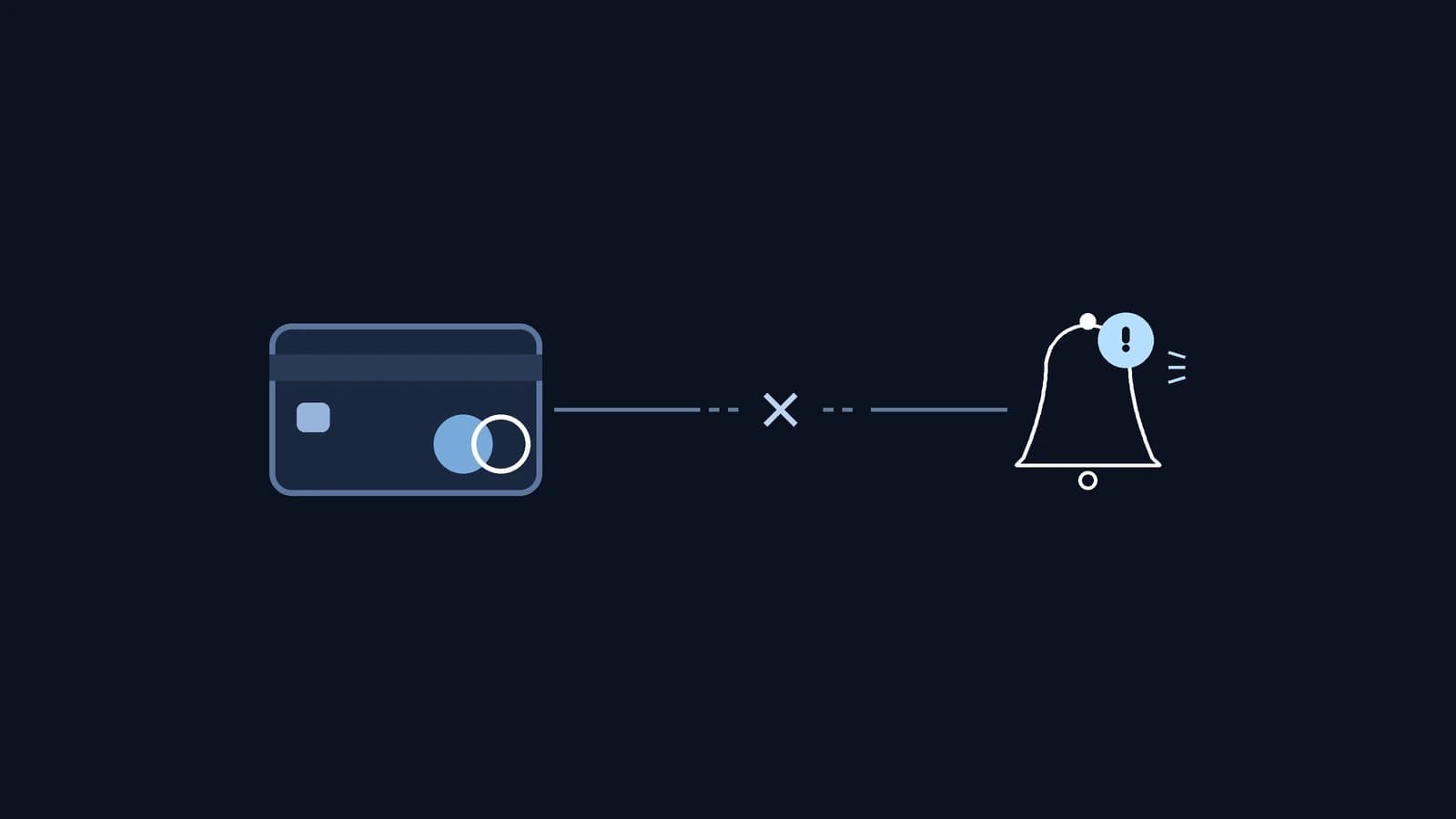
A subscription platform went more than two years without collecting card payments, because nothing flagged the failure. Here is how we restored billing and added alerts that catch it in minutes.
 Case study
Making an AI product reliable enough to ship: a QA and evaluation case
Generating AI ratings was the easy part. Making them reliable enough to ship took a continuous evaluation and QA loop, validated with real users before launch.