

Discovery red flags before starting software development
Common warning signs that a project is not ready for development and may need better scope definition before execution begins.
 Articles
On this page7 sections
Ambiguity does not disappear when development starts. These discovery red flags tell you a project is not ready to build yet.
The easiest place to fix ambiguity in a software project is during discovery, before a team starts building. A few red flags tell you a project is not ready yet, while it still costs a conversation to fix instead of a sprint.
Ambiguity does not disappear when development starts. It turns into delays, rework and scope disputes. Surfacing it early is the whole point of discovery.
Five red flags that your project is not ready to build
Watch for these five signs that scope is not settled yet:
- No clear decision owner: when no one can make the final call, every choice stalls. What good looks like: a named owner who can decide per area.
- Undefined acceptance criteria: if "done" is subjective, builds get reworked. What good looks like: written, testable criteria agreed before building.
- Missing integration details: assumptions about other systems break at integration time. What good looks like: documented contracts for the APIs and data you depend on.
- Unvalidated user workflows: building for assumed behavior instead of real use. What good looks like: the core workflows validated with representative users or stakeholders first.
- No shared definition of success: teams quietly optimize different things. What good looks like: one agreed outcome everyone is building toward.
What to do when you see them
Catching these red flags early is exactly what a structured software outsourcing partner should help with, starting with discovery before a single line of code gets written.
Questions about discovery red flags
Is a red flag a reason to stop the project?
No. It is a reason to pause scoping until the ambiguity is resolved. Building on an unresolved red flag is where cost and delay come from.
Who should own these decisions?
Each decision area has a named owner who can make the final call. Shared ownership with no clear decider is itself a red flag.
How long should discovery take?
Long enough to resolve the red flags that matter, and no longer. The goal is a plan you can trust, not a thick document.
Start with discovery
Keep reading
All resources Articles
How to choose custom software development services
What custom software development services include, how discovery reveals a real partner, the engagement models, and the questions to ask before you sign.
 Articles
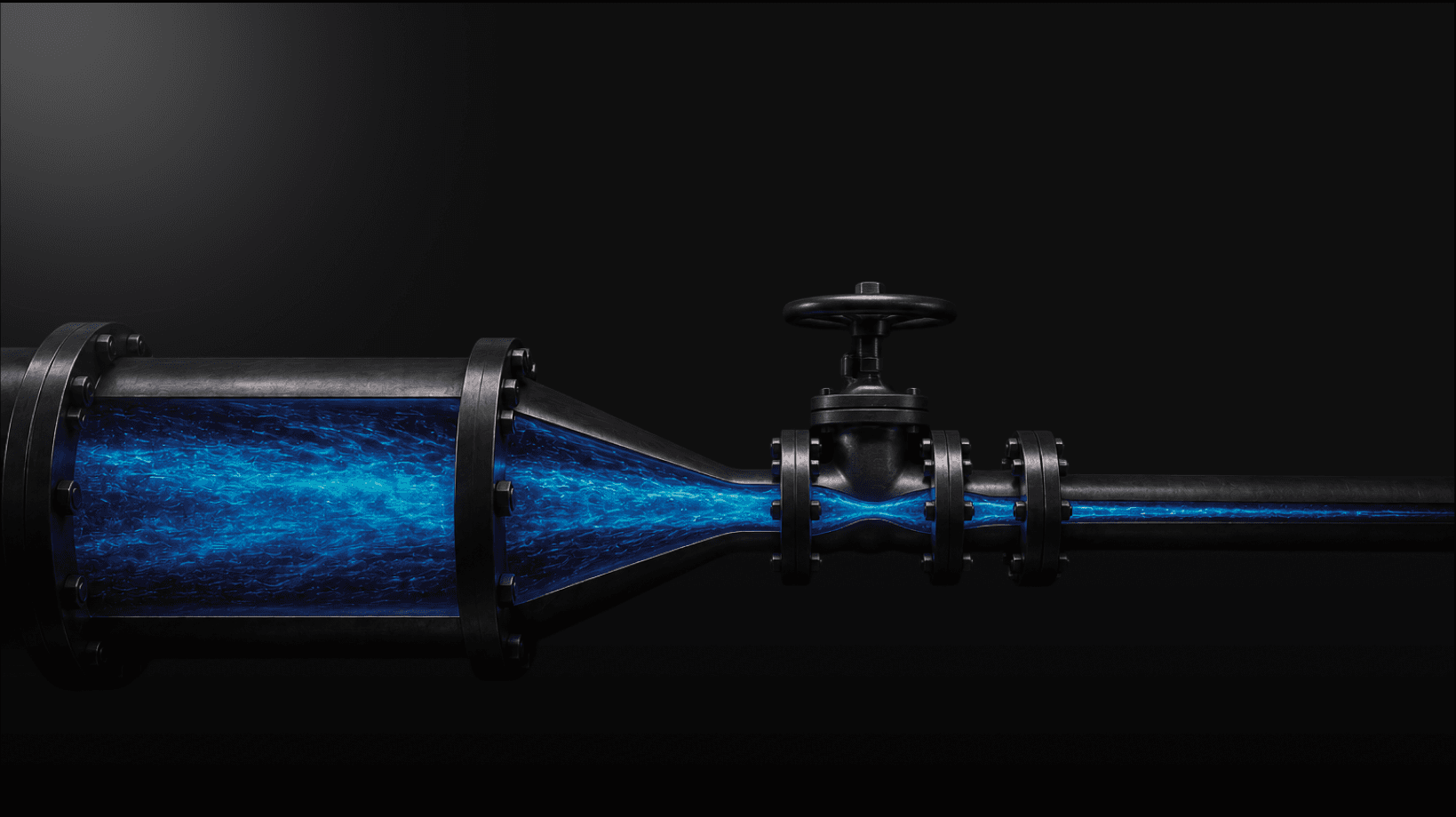
The bottleneck didn't disappear. It just changed its address.
AI made engineers faster — but throughput on the main branch is falling. Three tool launches in two weeks reveal where the bottleneck actually moved, and what it means for teams adopting AI coding agents.
 Guide
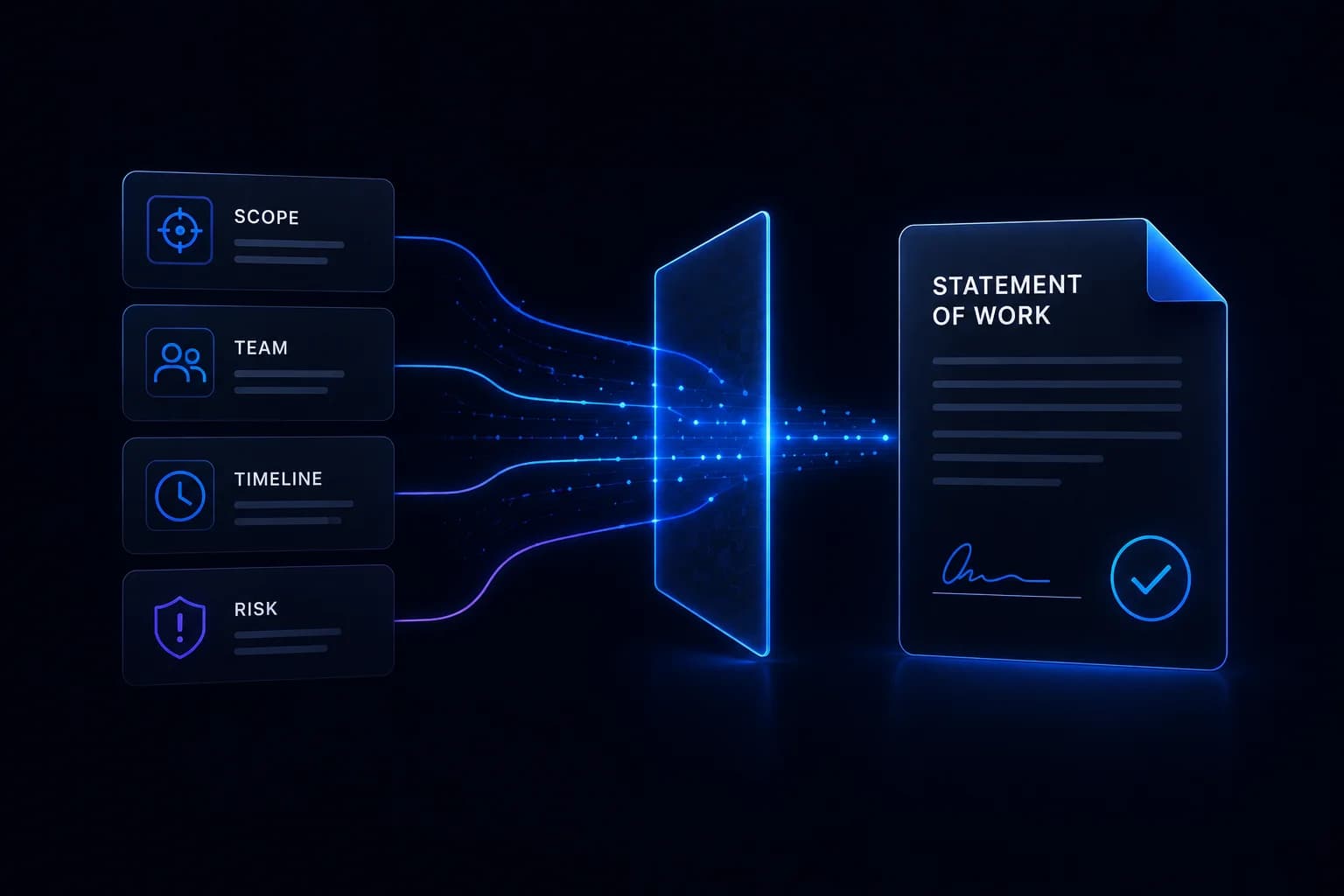
GuideDiscovery checklist: 24 questions before you sign a SOW
24 questions grouped into five areas, goals, risks, ownership, success criteria, and delivery assumptions, to align on before signing a statement of work.