

A practical discovery workshop agenda for software outsourcing projects
A simple agenda for running discovery workshops that align business goals, product scope, technical needs, and delivery expectations.
 Articles
On this page9 sections
A discovery workshop should end in decisions, not notes. This is a time-boxed agenda that produces a plan you can build from.
A focused discovery workshop can turn scattered assumptions into a shared plan. Done well, the output is alignment and decisions, not a document nobody reads.
The value is not the meeting, it is what the meeting produces: an agreed goal, mapped workflows, known constraints and named owners before anyone commits to scope.
What a discovery workshop should produce
A workshop is working when it produces decisions, not just discussion: an agreed goal, mapped workflows, known constraints and named owners. If it ends in notes and no decisions, it was a meeting.
The agenda
A focused, time-boxed session built around six blocks, each ending with a concrete output:
- Business context (30 min): why this project exists and what success looks like. Output: an agreed definition of success.
- User problems (30 min): who it is for and what they struggle with. Output: prioritized user problems.
- Core workflows (45 min): the main paths users take. Output: mapped workflows with the risky steps flagged.
- Technical dependencies (30 min): integrations, data and constraints. Output: a list of dependencies and open unknowns.
- Risks and decisions (30 min): what could derail delivery and who decides. Output: named risks with owners.
- Next steps (15 min): what happens after the session. Output: agreed actions and owners.
How to run it well
A workshop works when the right people are in the room, including someone who can make decisions. Timebox each block, capture the decision rather than the debate, and leave with an owner on every action.
How NetForemost runs discovery
Running a workshop like this is often the first real step in a software outsourcing engagement, and it's a stage our team treats as seriously as the build itself.
Questions about discovery workshops
Who should be in a discovery workshop?
The people who understand the business goal, the users and the technical constraints, plus someone who can make the final call. Without a decider, the session produces discussion, not a plan.
How long should it take?
A focused session in a single block, not a series of open-ended meetings. The agenda above takes about three hours of focused working time.
What is the output?
Decisions and owners: an agreed goal, mapped workflows, known risks and next steps you can scope against.
Run discovery before you scope
Keep reading
All resources Articles
How to choose custom software development services
What custom software development services include, how discovery reveals a real partner, the engagement models, and the questions to ask before you sign.
 Guide
GuideNearshore vs offshore software development: how to choose and test your partner in 2026
A practical guide to choosing between nearshore and offshore software development in 2026, with cost benchmarks, AI-era review questions, red flags, and a trial-sprint framework.
 Articles
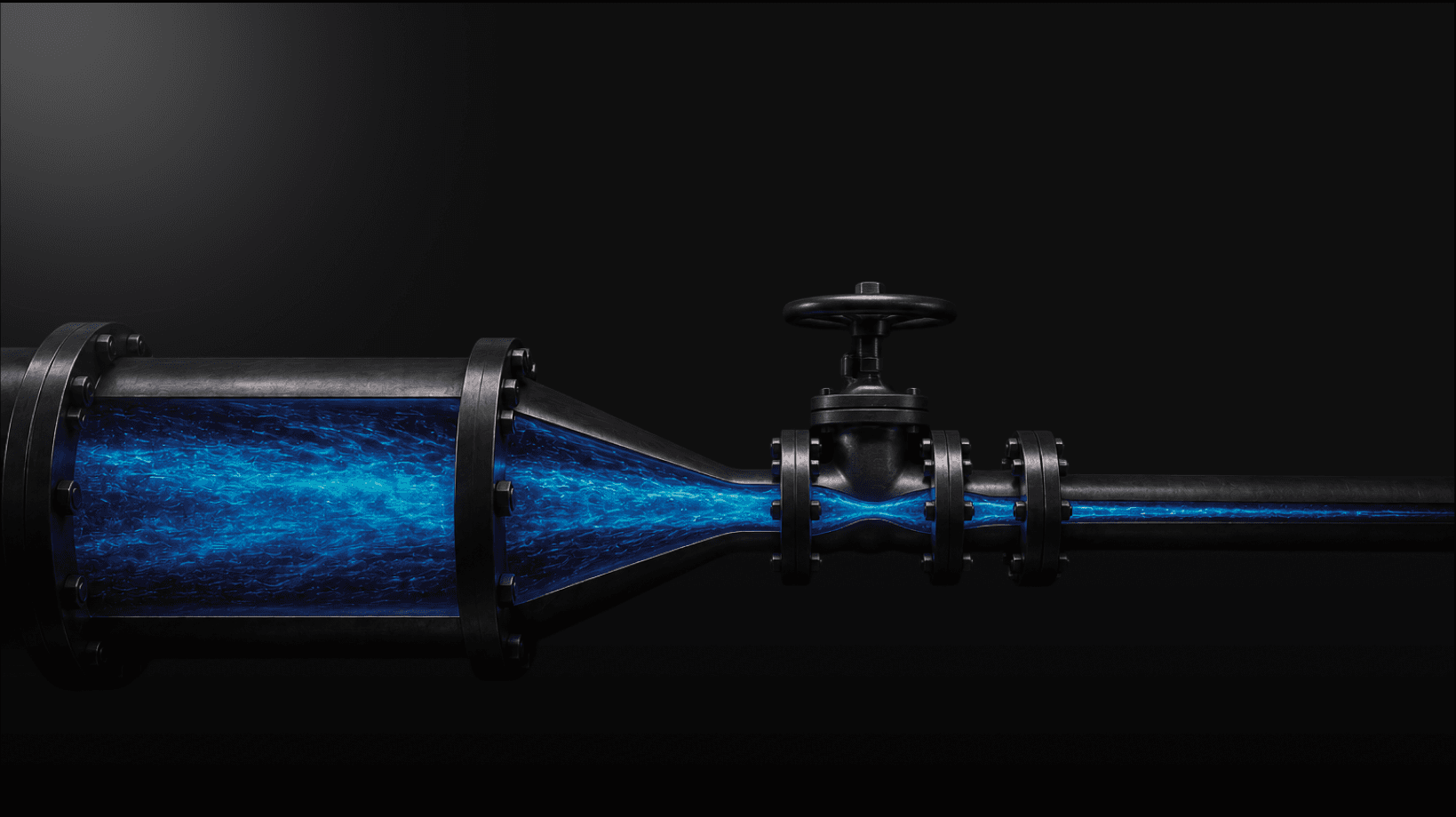
The bottleneck didn't disappear. It just changed its address.
AI made engineers faster — but throughput on the main branch is falling. Three tool launches in two weeks reveal where the bottleneck actually moved, and what it means for teams adopting AI coding agents.